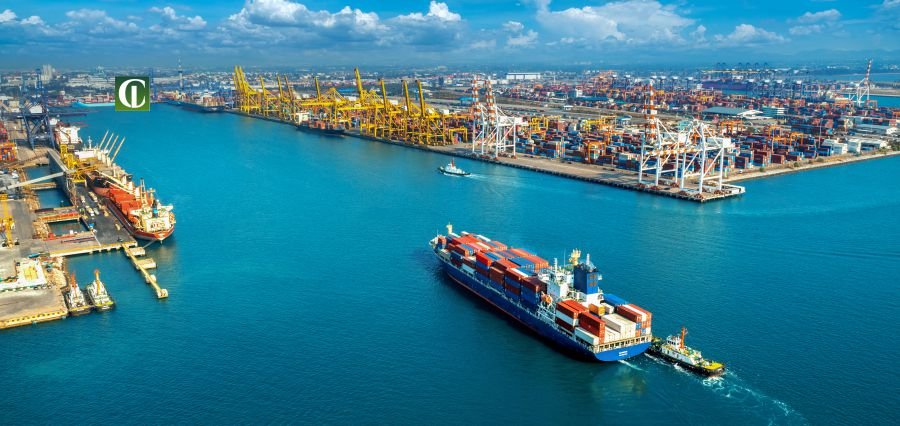
In 2026, the shipping and logistics industries in the Arab World are expanding very fast as a result of strategic investments, visionary leadership, and an increasing involvement in global trade. Improvements in facilities, better shipping connectivity, and continued state support have turned the Arab ports and logistic companies among the most dynamic in the world. With global supply chains changing towards new trade trends and technological progress, the Arab maritime logistics leaders are no longer just a regional player, but an international force that can influence the flow of goods across the continents. These organizations are enhancing the competitive advantage of the region in the global maritime arena by strategic planning, international collaboration and visioning into integrated logistics solutions.
Port Expansion and Connectivity
The development of the port infrastructure and connectivity is one of the main pillars of the Arab maritime logistics resurgence. The ports in Saudi Arabia, which are under the management of the Saudi Ports Authority (Mawani) have come a long way in their quest to be a global logistics hub. Mawani has been providing new shipping services and linking Jeddah Islamic Port with major global destinations which have strengthened its standing as a major transshipment hub. These widened networks also encompass services connecting the Red Sea gateway with Indian, Egyptian, and Mediterranean ports which have increased the Arabian footprint in the maritime trade.
Likewise, port-centric development of logistics has been of high priority to other GCC states. The major maritime ports in Oman include Sohar and Duqm which have increased industrial and logistics capacity as well as integrated rail proposals which have the potential to connect these ports better with the markets in the region thereby reducing costs and providing better inland connectivity. The United Arab Emirates is enhancing its logistics infrastructure by increasing port capacity, free zones, and optimization of the freight flow to make sure that hubs such as Jebel Ali and Khalifa Port will continue to be key links in the international trade chains.
Leadership and Innovation
The central aspects of the Arab logistics wave are strong leaders and institutional policies that reconcile the national aspirations with international opportunities. Executives of major port authorities and logistics conglomerates are spearheading change by being strategic visionaries, operational geniuses, and global partnerships. The UAE offers an example of Mohamed Juma Al Shamisi, a Group CEO, AD Ports Group, who has managed to lead the company through tremendous growth and diversification, cementing Abu Dhabi as a global maritime and logistics force. At Qatar, the implementation of the Hamad Port into a robust and effective maritime hub by Captain Abdulla Mohamed Al-Khanji, CEO of Mwani Qatar, has been part of the capacity and operational performance enhancement.
Meanwhile, Saudi Arabia, the management of Mawani has managed to put the Kingdom ports on the international map, which brings the logistical excellence to the table and gathers significant foreign investments. Outside of government-sponsored organizations, ambitious individual and semi-organizations are shaping the larger logistics ecosystem. It is worth mentioning the trend of regional consolidation and diversification into integrated logistics services that cut across the sea, air, and land networks as the sovereign wealth fund Abu Dhabi ADQ acquires a majority stake in Aramex.
Integrated Logistics and Future
Moving forward, the Arab maritime logistical environment in 2026 is characterized by integration and not an autonomous growth. Ports can no longer be treated as a single entity, but as a central point in an interconnected network of supplies that is extended further inland via rail, road, and air. The efforts, which seek to connect ports with other economic zones and clusters of free zones, are producing smooth freight flows, decreasing transit time and improving service delivery to shippers and freight forwarders.
Emphasis on digitalization, automation, and intelligent logistic systems also leads to higher efficiency of operations and quality of service. As global logistics giants contemplate making significant investments in the Middle East markets, the infrastructure of the region is likely to accommodate the increased e-commerce, manufacturing as well as diversified trade flows. Incorporation of modern orchestration techniques and systems utilizing blockchain are also positioning the Arab logistics centers to conform to global standards, and thus appeal to both traditional cargo and high-value and time-sensitive products.
Conclusion
The Arab maritime logistics sector in 2026 is a perfect example of how a combination of insightful strategy, infrastructure development, and visionary leadership can turn a region into a major global trade player. Ports and logistics companies in the Arab world have surpassed being just regional players. They are playing a major role in shaping global supply chains through innovative logistics solutions, enhanced connectivity, and establishing international partnerships. As long as the region keeps up with the latest technology, adheres to best practices in operations, and continues its strategic growth, it is capable of maintaining its development, facilitating trade and further solidifying its position as a major hub in international maritime logistics.