Prime Highlights
- Saudi Arabia has issued its first permit for drone-powered medical deliveries during the Hajj season.
- The initiative aims to improve emergency response and speed up the transport of critical medical supplies across pilgrimage sites.
Key Facts
- GACA is Saudi Arabia’s aviation regulator responsible for overseeing civil aviation activities and safety standards.
- The drone delivery program supports the goals of Vision 2030 and the National Aviation Strategy, which emphasize technology adoption and innovation.
Background
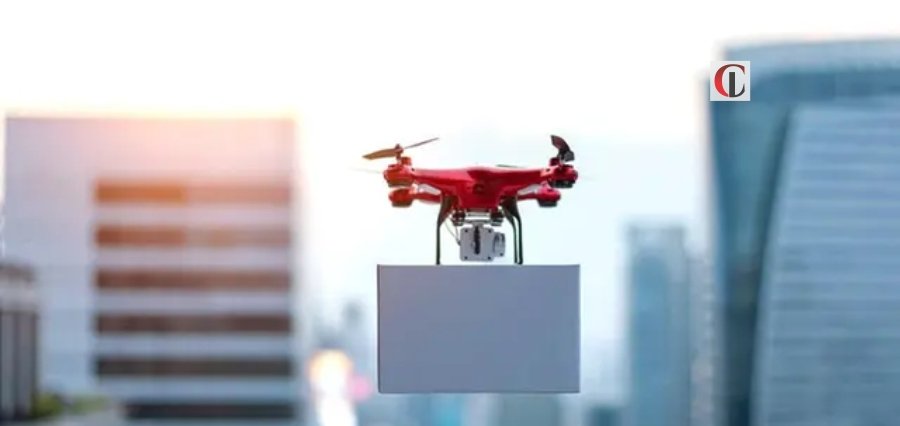
Saudi Arabia on Tuesday permitted the use of unmanned aircraft for the delivery of medical supplies during the 1447 AH Hajj season, marking the first time drone-powered services have been authorised to deliver healthcare goods between Hajj sites.
The permit was issued by the General Authority of Civil Aviation (GACA) as part of measures put in place to ensure better healthcare for millions of pilgrims. The drones will be used to transport medicines and other medical supplies between health centers, assisting officials in delivering timely medical supplies in congested regions.
The officials hope that the service will cut down the time taken for the delivery of the services and enhance the emergency response during peak pilgrimage time. Transferring supplies can be challenging in areas with large numbers of pilgrims, and drone technology can provide a quicker means for transporting supplies than alternative modes of transport.
The project is part of Saudi Arabia’s broader efforts to implement cutting-edge technologies in public services. Several digital systems, AI technologies and smart communication networks have been adopted by the authorities in recent years to improve their operation during Hajj and to ensure the safety of pilgrims.
Drone deliveries of medicines and vaccines, blood products and laboratory samples, are already being introduced in certain countries and are increasingly being used for healthcare, especially in areas where rapid transportation is a necessity. Saudi Arabia is now rolling the same idea out at one of the world’s biggest annual religious events.
The approval also aligns with the Kingdom’s Vision 2030 and National Aviation Strategy, which promote innovation and future transport solutions. It is seen by industry commentators as another step in the Saudi Arabian government’s plan to modernize its aviation industry and promote the adoption of autonomous technologies.